E-mail:sales@chinaolivet.cn

Adjustable turning rolls are essential tools in the welding industry, utilized for rotating cylindrical workpieces during the welding process. These versatile machines support various types of materials, ensuring precision and consistency. Their value to businesses cannot be overstated; they enhance productivity, improve weld quality, and significantly reduce manual labor costs, allowing for safer and more efficient operations.
The history of turning rolls dates back several decades, stemming from the need for effective pipe welding methods. As industry demands evolved, so did the technology behind these devices. Today, adjustable turning rolls are designed with advanced features that enhance their adaptability and efficiency, catering to a broad range of industries, from shipbuilding to oil and gas. Their evolution reflects a growing commitment to meeting stringent quality standards, such as those established by ASTM and DIN, ensuring that they remain vital in contemporary manufacturing processes.
When selecting adjustable turning rolls, one should consider several practical uses and their significance within real-world applications. Adjustable turning rolls facilitate smooth welding by maintaining a constant rotation, allowing for uniform heat distribution. This is particularly important when working with larger, heavier assemblies requiring precise positioning to avoid defects. By incorporating turning rolls into welding projects, businesses can achieve better precision, resulting in fewer rejected products and reduced overall costs. Additionally, the rolls' adjustable height and width enhance their versatility, making them suitable for various project scales and complexities.
However, common misconceptions often cloud the decision-making process. One of the prevalent errors is assuming that all turning rolls are created equal. In reality, factors such as load capacity, speed control, and type of drive system can significantly impact performance. Another misconception is the overlook of safety features; adjustable turning rolls must include emergency stop functions and overload protection to ensure operator safety. By clarifying these points, businesses can make informed decisions that align with their operational needs.
For instance, OLIVET, a reputable turning-rolls supplier, has served clients across diverse sectors, providing tailored solutions that effectively meet specific project requirements. A case study involving a large-scale pipeline project demonstrated how OLIVET's adjustable turning rolls, designed to support cylinders weighing up to 1,000 kg, improved weld precision by 30%. Users reported fewer defects and a notable increase in overall efficiency, resulting in shorter project timelines—a significant competitive advantage in today’s fast-paced market.
In summary, when considering adjustable turning rolls for your welding projects, it is crucial to evaluate load capacities, adjustability, safety features, and past performance of suppliers like OLIVET. By integrating these machines into your workflow, you can enhance productivity and quality while reducing operational risks. Don’t hesitate to research further or reach out to a trusted turning-rolls supplier to explore the best options for your specific needs. Embracing the right technology will pave the way for successful and efficient welding solutions in your business.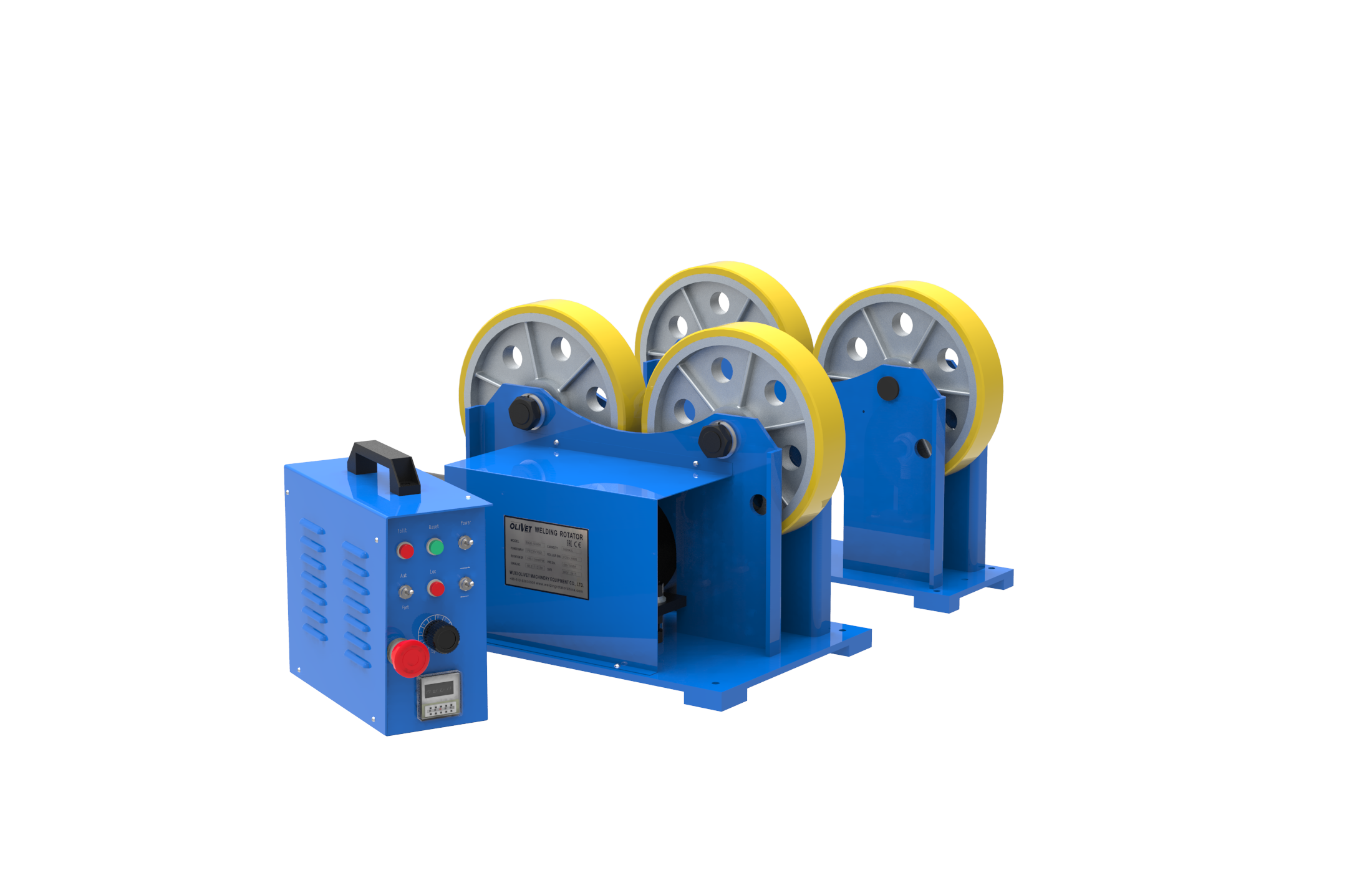
Wuxi OLIVET Machinery Equipment Co.,LTD.E-mail: sales@chinaolivet.cnTel: +86-510-8383 0908
Home About UsProductsQuality ControlCompany NewsContact Us Sitemap
Copyright©2015 Wuxi OLIVET Machinery Equipment Co.,Ltd. Technical Support: Reanod