E-mail:sales@chinaolivet.cn

Building efficiency in large-scale welding projects can seem daunting, especially when dealing with large cylindrical workpieces. I understand the challenges you face: time constraints, ensuring quality welds, and maintaining safety standards. In this article, I’m going to walk you through how a welding rotator, like those manufactured by OLIVET, can streamline your welding processes and significantly enhance your operational efficiency. By the end, you'll have concrete steps to implement this solution in your workspace.
Welding rotators are essential tools designed to support the rotation of large workpieces, thereby ensuring precise alignment and improved access for welding equipment. Here’s how to seamlessly integrate welding rotators into your workflow:
Assess Your Workpiece Dimensions: Before purchasing a welding rotator, I recommend you measure the dimensions of your largest cylindrical workpieces. This will help in selecting the right capacity and type of the rotator. Consider a rotator that can handle the weight and length of the workpiece to avoid any strain on the equipment.
Choose the Right Welding Rotator: Once you have the specifications, consult with a reputable Welding Rotator Manufacturer like OLIVET. Their rotators can offer precision to 0.01mm, enhancing the overall welding accuracy compared to traditional methods.
Set Up the Rotator: Place the rotator on a stable surface, ensuring it complies with ASTM safety standards. This will provide a solid foundation and prevent any accidents during operation.
Secure the Workpiece: Use the rotator’s clamping mechanism to firmly hold the workpiece in place. A proper grip is vital for maintaining alignment throughout the welding process and reducing the chances of defects.
Adjust Speed & Rotation: Familiarize yourself with the rotator’s control panel. Experiment with rotation speeds; a slower speed might be preferable for more intricate welds, while a faster rotation can be beneficial for larger seams.
Weld with Confidence: With the workpiece secured and set up on the rotator, start your welding process. The continuous rotation allows for a more ergonomic position, reducing strain on the welder and promoting a more consistent welding bead.
The implementation of welding rotators has profound impacts on male and female welders alike. In my experience, businesses have reported a decrease in welding time by up to 30%, attributed to the ease of access to all sides of a cylindrical piece without the need for awkward body positioning. Moreover, the precision of welds has been enhanced, resulting in lower defect rates, and fulfilling DIN quality control standards.
Despite their advantages, challenges may arise when integrating welding rotators into your process:
Initial Set-Up Complexities: You may encounter difficulties during the initial setup. To overcome this, consult the user manual, or contact OLIVET's support team for assistance. They typically offer 24-hour response services for new users.
Cost Concerns: Investing in a welding rotator can seem significant. However, consider the long-term savings from reduced labor costs and minimized waste due to fewer welding defects.
To further improve efficiency while utilizing welding rotators, I recommend the following tools:
Welding Inspection Gauges: Quality assurance tools such as those adhering to ASME standards can help inspect your welds effectively.
Project Management Software: This can assist in tracking time and resources spent on welding projects, enhancing productivity evaluations.
To recap the actionable steps for improving your welding efficiency using rotators:
Taking these steps today can lead to immediate efficiency improvements in your welding operations. I encourage you not to hesitate; integrating welding rotators could significantly transform your workflow. For a visual reference, you can view the specs here: 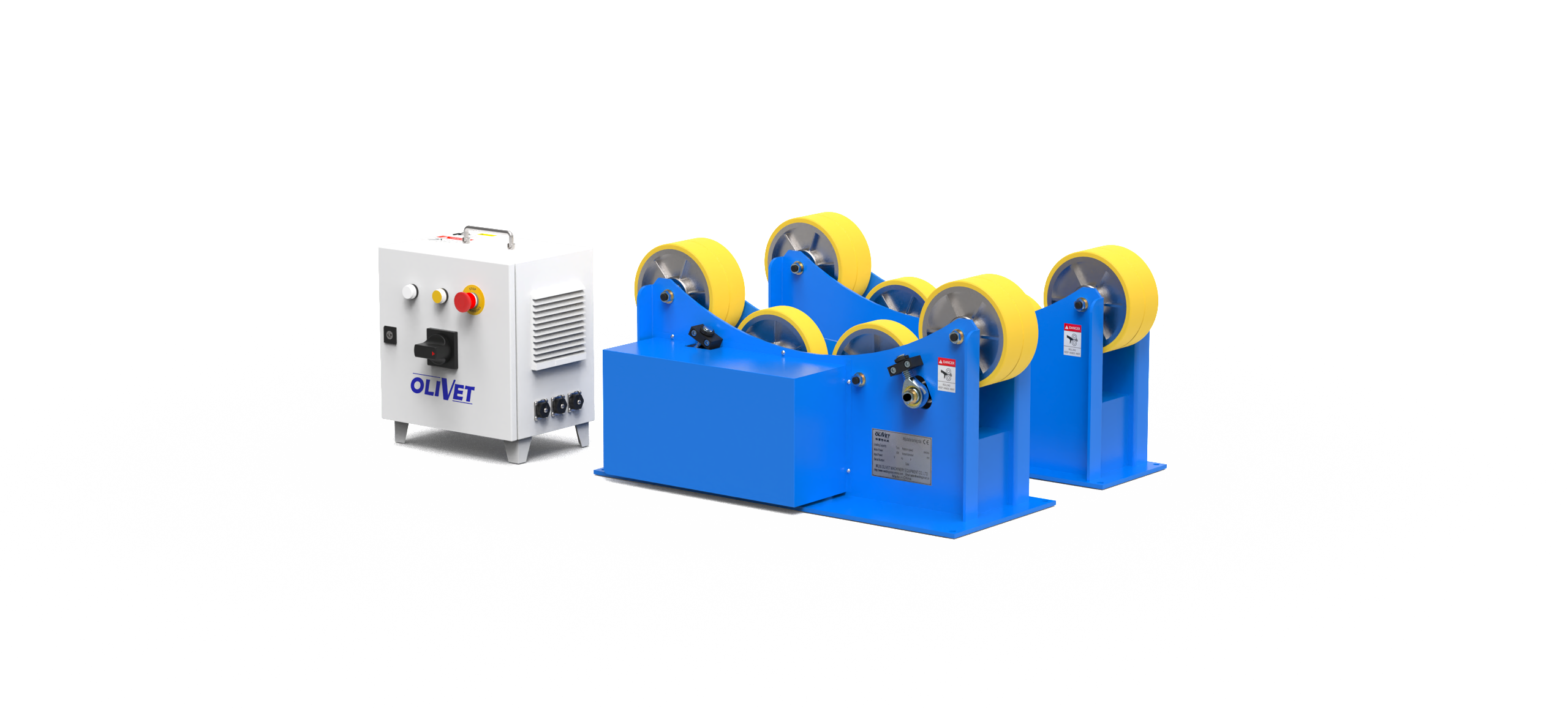 .
.
By embracing this innovation, you'll not only enhance productivity but also ensure superior quality in your large cylindrical welding projects.
Wuxi OLIVET Machinery Equipment Co.,LTD.E-mail: sales@chinaolivet.cnTel: +86-510-8383 0908
Home About UsProductsQuality ControlCompany NewsContact Us Sitemap
Copyright©2015 Wuxi OLIVET Machinery Equipment Co.,Ltd. Technical Support: Reanod